logo
produits
Maison / Produits / Système de collecte de sang sous vide /

Disposable Vacuum Blood Collection Tube Made of Glass and PET Material for Medical Examination and Blood Testing Tubes

Disposable Vacuum Blood Collection Tube Made of Glass and PET Material for Medical Examination and Blood Testing Tubes

Nom De La Marque: AILE
Numéro De Modèle: 5 ml
Nombre De Pièces: 20000
Prix: Negotiated
Conditions De Paiement: LC, T/T
Capacité à Fournir: 100000000 par mois
Des informations détaillées
Lieu d'origine:
Chine
Certification:
CE ISO
Détails d'emballage:
forfait individuel
Capacité d'approvisionnement:
100000000 par mois
Description de produit

Disposable Vacuum Blood Collection Tube Made of Glass and PET Material for Medical Examination and Blood Testing Tubes

In modern medical diagnostics, efficient and accurate blood sample collection is the cornerstone of disease detection. As an essential consumable for clinical laboratories, the Disposable Vacuum Blood Collection Tube Made of Glass and PET Material for Medical Examination and Blood Testing Tubes is widely utilized across hospitals, CDC centers, and research institutions due to its excellent sealing performance, precise vacuum levels, and high biocompatibility.


 Core Advantages

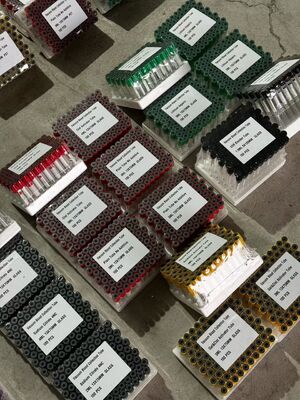
  • Dual Material Options: Available in both high-transparency medical-grade glass and high-strength PET plastic, catering to both the chemical inertness required for specialized tests and the safety needed for daily transport.

  • Precise Vacuum Volume: Utilizing advanced automated dosing technology, the vacuum level error is minimal, ensuring an exact ratio of blood to additives.

  • Premium Inner Wall Treatment: The inner wall undergoes uniform siliconization or special treatment to prevent cell adhesion and hemolysis, guaranteeing the authenticity of test results.

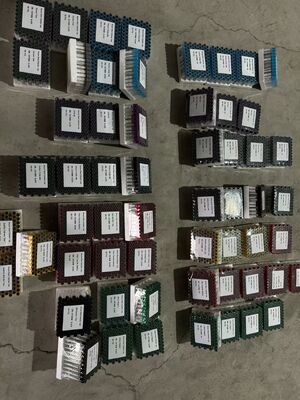
  • International Standard Color Coding: Strictly complying with ISO 6710, different cap colors (e.g., Red, Yellow, Green, Purple) indicate specific additive types, significantly reducing the mistake rate in clinical workflows.


 Material Comparison: Glass VS PET

When choosing blood collection tubes, the material characteristics directly impact sample preservation and logistics:

Features Glass Tubes PET Tubes
Safety Fragile; requires careful packaging and handling. Shatterproof and explosion-resistant; superior biosafety.
Gas Barrier Excellent; maintains vacuum for an extended shelf life. Good; fully meets standard clinical storage cycles.
Inner Wall Inertness Naturally hydrophilic; relies less on surfactants. Requires precise siliconization for optimal hydrophobic results.
Best Used For Specialized tests demanding high gas tightness. Modern mainstream clinical labs, high-throughput automation.


Disposable Vacuum Blood Collection Tube Made of Glass and PET Material for Medical Examination and Blood Testing Tubes 0Disposable Vacuum Blood Collection Tube Made of Glass and PET Material for Medical Examination and Blood Testing Tubes 1Disposable Vacuum Blood Collection Tube Made of Glass and PET Material for Medical Examination and Blood Testing Tubes 2Disposable Vacuum Blood Collection Tube Made of Glass and PET Material for Medical Examination and Blood Testing Tubes 3Disposable Vacuum Blood Collection Tube Made of Glass and PET Material for Medical Examination and Blood Testing Tubes 4


Technical Specifications

Item Specification Details
Product Name Disposable Vacuum Blood Collection Tube
Volume Options 1ml, 2ml, 3ml, 4ml, 5ml, 6ml, 7ml, 10ml
Tube Sizes 13×75mm, 13×100mm, 16×100mm
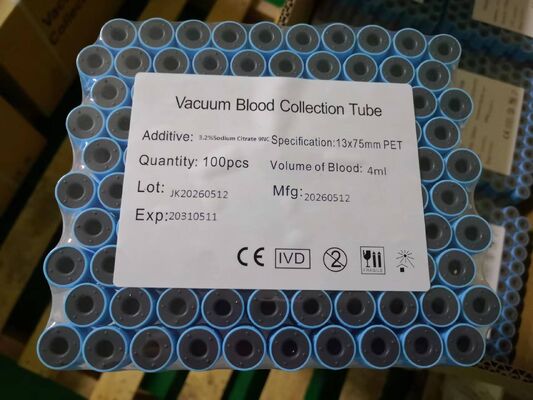
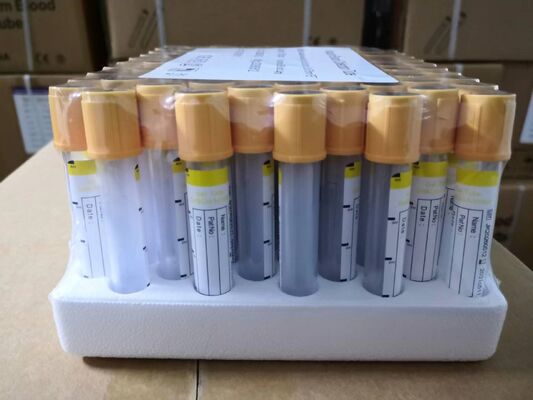
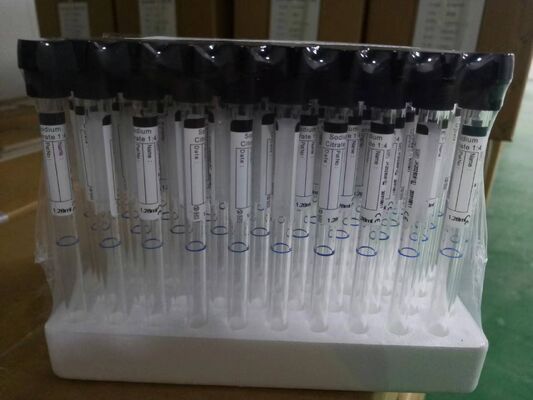
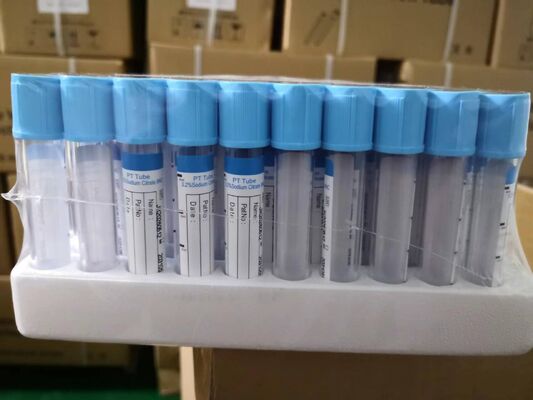
Common Types Plain/Clot Activator (Red/Yellow), EDTA (Purple), Heparin (Green), Glucose (Grey), Sodium Citrate (Blue/Black)
Sterilization Gamma Ray or EO (Ethylene Oxide)
Shelf Life 18–24 months for PET tubes; 24+ months for Glass tubes

 Applications & Target Audience

  • Application Scope: Extensively used in hospital laboratory departments, physical examination centers, blood banks, Centers for Disease Control (CDC), and independent clinical laboratories (ICLs).

  • Primary Uses: Ideal for blood specimen collection and preservation across clinical biochemistry, immunology, hematology, rheology, coagulation, and molecular diagnostics (such as PCR testing).

  • Target Audience: Patients and healthy individuals requiring clinical blood work, routine physical checkups, blood donations, or participating in medical research sample collection.


Frequently Asked Questions (FAQ)

Q1: Is there a difference between PET and Glass tubes during centrifugation?

A1: Yes. PET tubes are highly impact-resistant and can withstand centrifugation forces up to 3000g or higher without breaking, making them perfect for high-speed automated lines. Glass tubes require more controlled speeds (usually below 2500g) and proper rubber padding in the centrifuge buckets.

Q2: Does the vacuum inside the tubes degrade over time?

A2: Yes, a micro-amount of vacuum loss occurs over time. Glass tubes possess a superior gas barrier compared to PET, thus offering a slightly longer shelf life. To ensure precise draw volume, always use the tubes within their expiration date.